Shadows Behind Bars: Sri Lanka’s Penitentiary Crisis and the Crisis at the Apex of Justice
Sri Lanka’s prison system is facing an unprecedented systemic collapse. Designed to house roughly 10,000 to 11,000 individuals, the nation’s correctional facilities are currently bursting at the seams with nearly 40,000 inmates.
More than 70% of this population consists of remand prisoners—individuals who have not been convicted of any crime but are trapped indefinitely behind bars simply because the justice system moves at a glacial pace. This extreme congestion has triggered fatal prison riots, rampant custodial deaths, and severe human rights violations, turning facilities into human warehouses that flagrantly violate international conventions.
The International Framework and Local Realities
Under international legal standards—specifically the United Nations Standard Minimum Rules for the Treatment of Prisoners (the Mandela Rules)—governments are legally and morally bound to ensure safe custody, adequate space, healthcare, and human dignity.
Yet, findings by the Human Rights Commission of Sri Lanka (HRCSL) and global watchdogs reveal that local conditions routinely breach these frameworks. Cells meant for a handful of people are packed with dozens, forcing inmates to sleep in gruelling shifts.
Rather than acting decisively, the political leadership—most notably the Minister of Justice—has faced heavy criticism for systemic inaction and sluggish policy responses to a crisis unfolding in plain sight.
A Judicial Bottleneck and the Retirement Age Controversy
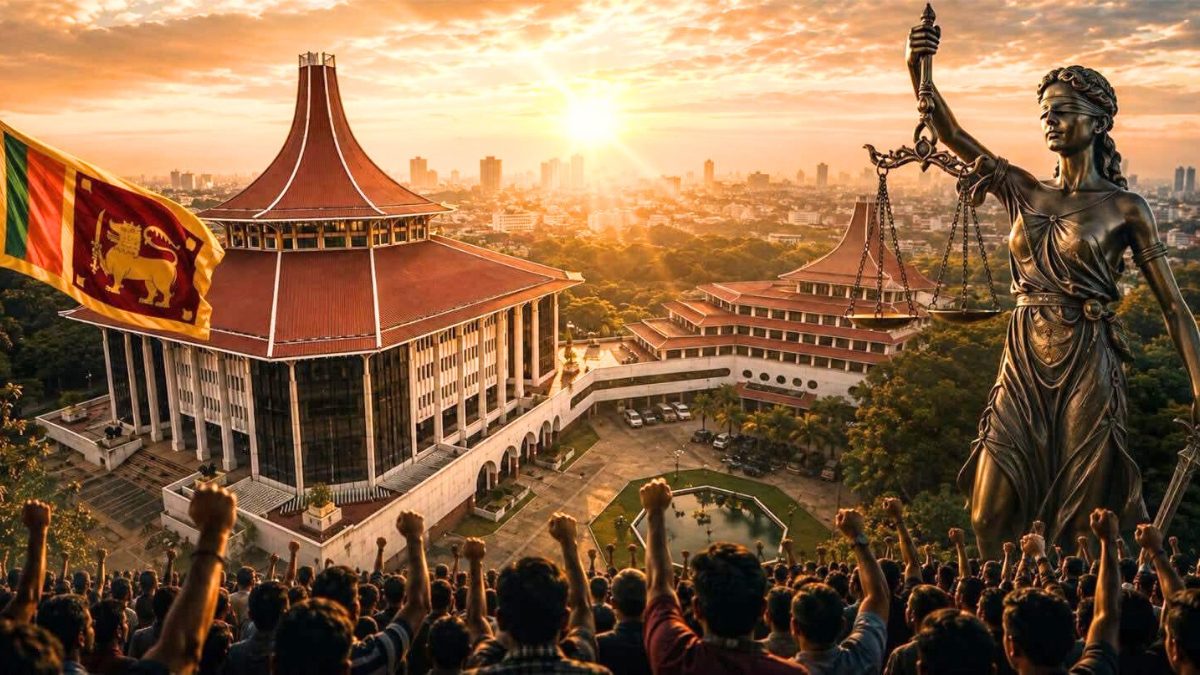
The root cause of this massive penal backlog lies in a paralysed court system facing over a million pending cases. Instead of addressing the structural delays head-on, the government has sparked intense controversy by attempting to push through a constitutional amendment (the proposed 22nd Amendment) to extend the mandatory retirement age of judges by two years. Under this change, Supreme Court judges would retire at 67 instead of 65.
This move has triggered widespread resistance from the Bar Association of Sri Lanka (BASL) and legal experts, who view it as an encroachment on judicial independence. Public skepticism has intensified due to intense controversies surrounding the Chief Justice’s recorded date of birth and tenure eligibility. Critics argue that discrepancies regarding the Chief Justice’s true age mean he should have already stepped down.
By attempting to alter constitutional tenure rules mid-stream, critics contend the administration is prioritizing political expediency over institutional integrity.
Compromised Legitimacy and the Human Cost
The implications of these controversies extend far beyond bureaucratic politics. When the legitimacy of the head of the judiciary is openly questioned, the validity and public trust in judgments delivered across the board come under a dark cloud.
For the tens of thousands languishing in Sri Lanka’s overcrowded prisons—the vast majority of whom are remand detainees awaiting trial, cloaked in the legal presumption of innocence—this institutional paralysis is a matter of life and death. As political elites debate judicial term extensions and grapple with leadership legitimacy, fundamental human rights are sidelined.
Until Sri Lanka addresses its ministerial accountability, untangles its judicial logjam, and aligns its penal system with the Mandela Rules, its prisons will remain tragic symbols of a justice system that has fundamentally broken its promise to the vulnerable.
~ The News Girl ~