SL Politics – When Every Politician Becomes The Villain
One of the most concerning shifts I have observed in Sri Lankan politics over the past several decades is not simply that citizens have become more vocal about political failures. The deeper problem is that we have gradually lost the ability to distinguish between genuine corruption and ordinary political imperfection. Not every policy failure is…
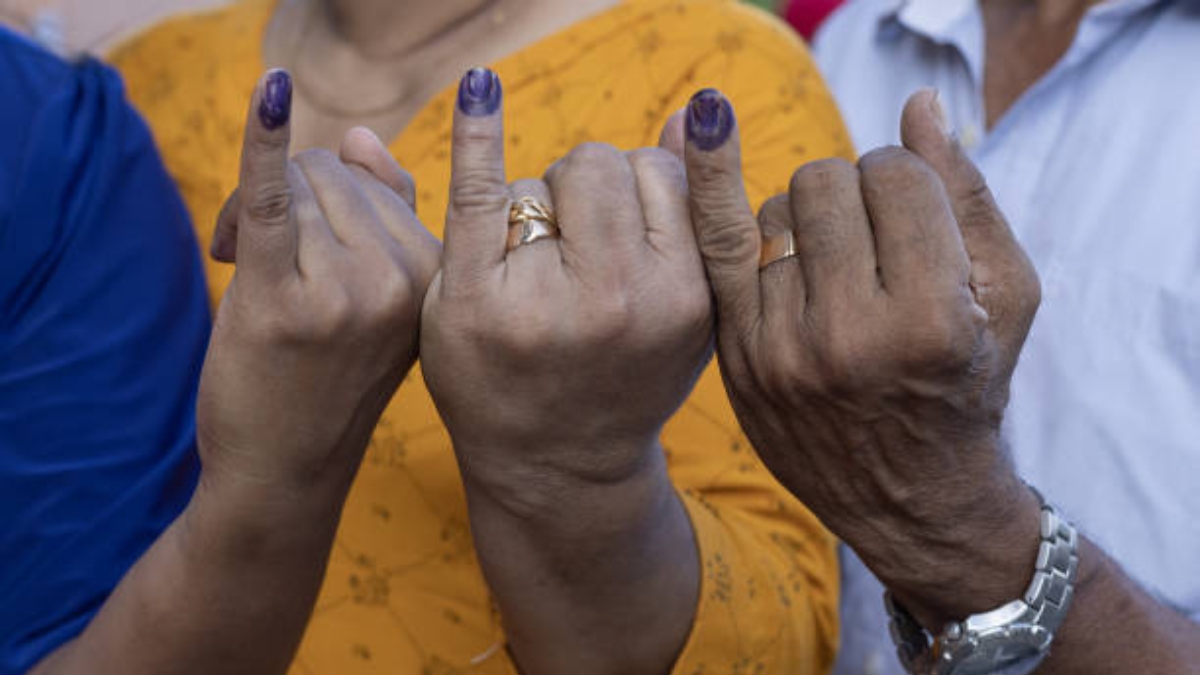
One of the most concerning shifts I have observed in Sri Lankan politics over the past several decades is not simply that citizens have become more vocal about political failures. The deeper problem is that we have gradually lost the ability to distinguish between genuine corruption and ordinary political imperfection.
Not every policy failure is a conspiracy.Not every politician is a criminal.Not every economic difficulty is the result of deliberate misconduct.
Governments make mistakes. Ministers make poor decisions. Political leaders sometimes misjudge situations, overlook consequences, or fail to deliver on promises they sincerely believed they could fulfil.
Political Discourse
If we begin describing every disappointment as corruption, every compromise as betrayal, and every opponent as an enemy of the nation, the language itself begins to lose meaning. We unintentionally place the official who accepted a bribe in the same category as the official who simply implemented an unsuccessful policy. Those are not the same actions, and our political discourse should be careful enough to recognise the difference.
At the same time, our society has become remarkably comfortable turning political disagreement into moral warfare. We increasingly treat those who vote differently not as fellow citizens with different perspectives, but as people who must be condemned, mocked, or excluded.
Social media rewards this mindset.Outrage spreads faster than reason.Anger receives more attention than nuance.The loudest accusation often receives more engagement than the most thoughtful analysis.
For some politicians, criticism is certainly deserved. There have been moments in our history involving corruption, abuse of power, economic mismanagement, and failures of governance that must never be ignored.
Accountability is essential in any democracy. But accountability is not the same thing as permanent cynicism. A healthy democracy requires citizens who can hold leaders responsible while still believing that public service can be honourable.
Heroes or Villains
Unfortunately, many Sri Lankans have come to expect political leaders to be either heroes or villains. That expectation is unrealistic. Politicians are human beings operating within systems that are often complicated, constrained, and imperfect. They face competing interests, limited resources, public pressure, and difficult choices where every available option carries some cost. Understanding this does not excuse corruption or incompetence. It simply restores proportion.
A politically mature society must be able to hold two truths at once: some leaders abuse the trust given to them, and many others genuinely attempt to serve the public while inevitably making mistakes along the way. Both realities exist. The challenge is developing the wisdom to tell the difference. If we lose that ability, politics becomes less about solving problems and more about assigning blame.
Competing Resentments
Every election becomes a struggle between competing resentments.Every policy debate becomes a contest of accusations.Every disappointment becomes evidence that democracy itself has failed.
When discernment disappears, trust becomes rarer, institutions become weaker, and national progress becomes more difficult. Sri Lanka does not need less political passion. It needs more political wisdom. The future of the country depends not only on the quality of its leaders, but also on the discernment of its citizens. For when a society can no longer distinguish between genuine wrongdoing and ordinary human imperfection, it does not become more vigilant. It becomes less capable of recognising the difference between destruction and reform, criticism and cynicism, justice and vengeance. And that is a danger no democracy can afford.
Sri Lanka’s future will not be shaped solely by the leaders we elect, but also by the judgement we bring to public life.
Democracy & Citizens
Democracy depends on citizens who can distinguish between corruption and error, accountability and vengeance, disagreement and disloyalty. When every political setback becomes a scandal and every opponent becomes an enemy, constructive dialogue gives way to division and distrust. A mature society does not abandon criticism, nor does it excuse wrongdoing; it simply applies both with fairness, proportion, and wisdom. If Sri Lanka is to strengthen its institutions, heal its divisions, and move forward with confidence, it must rediscover the virtue of political discernment. For a nation that can recognise complexity without surrendering its principles is far better equipped to pursue lasting progress than one driven solely by outrage, cynicism, and blame.
~ The Catalyst